

A padel ball pressurizer is an airtight container that keeps your balls under pressure when you're not playing, so they don't lose their bounce between matches. Here's how it works: put the balls in clean and dry as soon as you finish, close the container, build up the pressure (with a hand pump or automatically, depending on the model) and store it somewhere with a stable temperature. Before your next match, release the pressure, take the balls out and you're ready to play. At PIKIPADEL you'll find them from €34.95.
What you need:
- A ball pressurizer: manual, like the Bullpadel Pascal Box 3B (€59.95), or automatic, like the Pressurebox Pro X3 (€99.95).
- A can of balls in good condition. If yours are ready for retirement, start fresh with a Bullpadel Premium Pro 3-Ball Can (€4.95) or an Adidas Speed RX 3-Ball Can (€5.95).
- A dry cloth to wipe dust and moisture off the felt.
- A storage spot away from sunlight and the heat of your car boot.
Time: 5 min · Difficulty: easy
Why your balls go dead so quickly
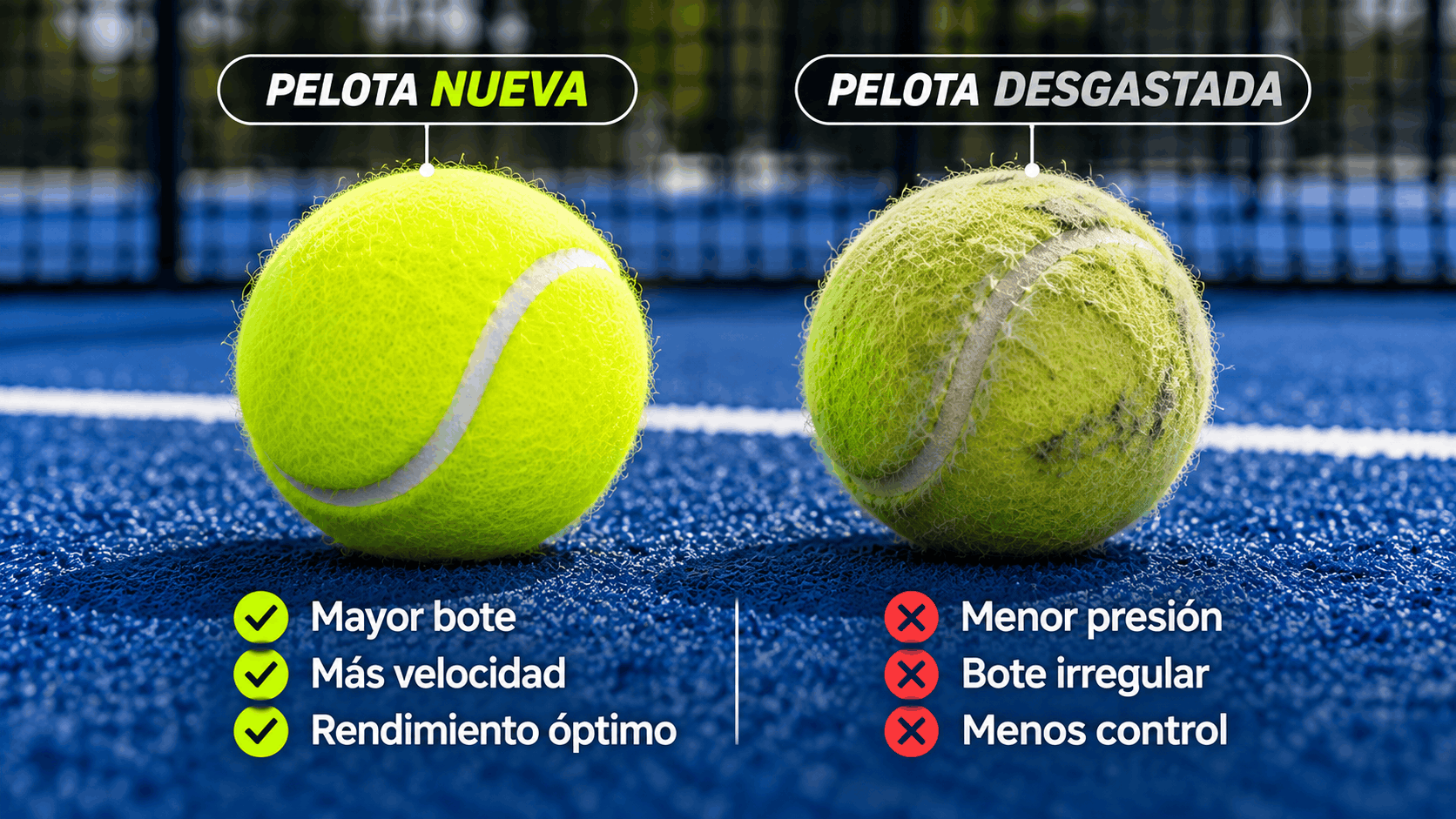
A padel ball loses its bounce in two ways. The first is felt wear: it fluffs up, gets dirty and the ball starts behaving strangely. Nobody can fix that. The second is loss of internal pressure, which starts the moment you open the can and speeds up with every hit and with heat. That one you can slow down.
That's where the pressurizer comes in: it stores the balls in a pressurized environment, similar to a sealed can, so the air inside doesn't escape as quickly. The Softee Press Pro (€34.95), for example, is designed for exactly that: restoring the balls' original pressure so they perform again, in a compact, portable format.
Two reality checks. One: a pressurizer won't bring back a ball with wrecked felt. Two: the sooner you start using it, the better; ideally, put the balls in on the same day you open the can.
Step by step
1. Choose your pressurizer based on how you play
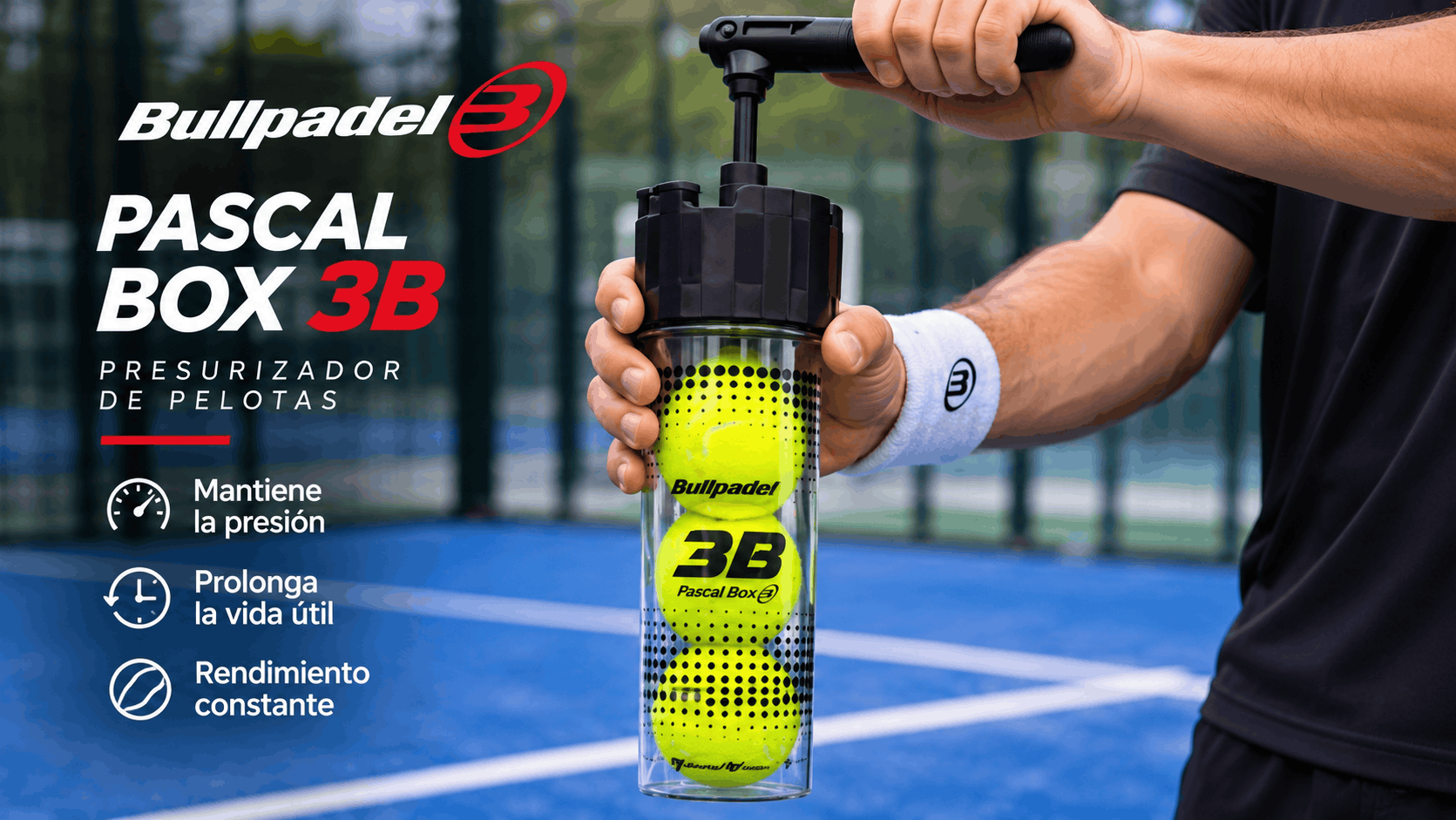
If you play two or three times a week and want something simple, a manual container is more than enough. The Bullpadel Pascal Box 3B (€59.95) comes with a pump and an airtight seal, and it's made from durable materials. If you tend to stockpile cans or play every day, the Pressurebox Pro X3 (€99.95) uses an automatic pressurization system and works for both padel and tennis balls.
If you need more capacity, there's the Softee Cube Pro Pressurizer (€429.95), designed to maximize the lifespan of your balls.
2. Check the balls before putting them in
Discard any with bald felt or cuts. Pressurizing a burst ball is a waste of time and space. If every ball in the can feels borderline, it's a good moment to start the cycle with a new can and keep the old ones for warm-ups.
3. Clean and dry them
Wipe the felt with a dry cloth to remove turf dust, sand or moisture. If you've played outdoors on a wet court, let them air out for a while before sealing them in. Storing damp balls in a closed container is the fastest way to end up with smelly, matted felt.
4. Put the balls in right after playing
The classic mistake is leaving them in your padel bag "until tomorrow". A ball loses pressure precisely when it's warm and has just taken two hundred hits. The less time it spends outside the pressurizer, the less pressure escapes. Make it a habit: match, cloth, container.
5. Close it properly and check the seal
Screw or close the pressurizer all the way, without forcing it. Before that, take a look at the lid seal: if there's sand or a strand of felt caught in it, the seal is no longer airtight and the whole thing is useless. A quick wipe with your finger does the job.
6. Build up the pressure
On manual models, work the pump until you reach the level stated in the manufacturer's instructions. On an automatic model like the Pressurebox Pro X3, the device handles the process itself, so all you do is close it and let it work. Don't overdo it trying to add "extra" pressure: it won't improve the result and it's bad for the seal.
7. Store it somewhere with a stable temperature
Indoors, in your gear cupboard or on a shelf. Not in the car boot, which turns into an oven in summer and a fridge in winter, and away from direct sunlight. Sudden temperature changes work against you even with pressurized balls.
8. Give them time to recover before your next match
The easiest approach is to leave the balls inside from the moment you finish until you play again. If you've just put in a can that's been dead for a while, give it several days in the pressurizer before judging: recovery isn't instant.
9. Depressurize and take the balls out calmly
Release the pressure as instructed for your model, open it and take out the balls. If the container has been somewhere cool, leave them at room temperature for a few minutes before you start hitting. And close the empty pressurizer again so no dust gets inside.
Common mistakes
- Putting in balls that are already dead. If the felt is smooth and bald, the pressurizer won't fix it. Avoid this by replacing your can in time: a new one costs €4.95.
- Keeping it in the car. The heat in the boot speeds up pressure loss and takes a toll on the container. Store it at home.
- Opening the pressurizer all the time. Every opening means depressurizing. Only open it when you're about to play.
- Not drying the balls. Moisture + closed container = matted felt and bad smells. A cloth and you're done.
- Mixing balls from different batches. You end up not knowing which ones are fresh. Use one can per batch or mark the old ones with a marker pen.
Expert tips
Pro tip: start the cycle the day you open the can, not when you notice the balls going soft. A pressurizer is much better at preserving than restoring, so it works best from the very first match.
Pro tip: keep two sets in rotation. One on court and one resting in the pressurizer. That way you always play with balls in good shape and spread the felt wear across both cans.
Pro tip: if you share a court with tennis players, look at multi-purpose models. The Pressurebox Pro X3 is designed to maintain and restore the bounce of both padel and tennis balls, so you get more out of your investment.
Build your kit and stop throwing balls away
If you're starting today, the easiest option is to pair a pressurizer with new balls: the Bullpadel Pascal Box 3B (€59.95, pump included) plus a Bullpadel Premium Pro can (€4.95) or some Adidas Speed RX (€5.95), with soft felt and a highly durable core.
Want to compare every option, from portable to automatic? Check out PIKIPADEL's pressurizer section. Orders to mainland Spain ship within 24-48 business hours, and shipping is free on orders over €50.
FAQ
Does a padel ball pressurizer really work?
Yes, as long as the ball is intact. Its job is to maintain and restore internal pressure so the ball keeps its bounce, as described by the manufacturer of the Pressurebox Pro X3. What it can't do is regenerate worn felt.
How much does a ball pressurizer cost?
At PIKIPADEL they start at €34.95 with the Softee Press Pro, move up to €59.95 for the Bullpadel Pascal Box 3B and €99.95 for the automatic Pressurebox Pro X3, and go up to €429.95 for the Softee Cube Pro for those who need more capacity.
Manual or automatic: which one is right for me?
A manual model with a built-in pump, like the Pascal Box 3B, is cheaper and plenty if you play a couple of times a week. An automatic one handles the pressurization process by itself and pays off if you play daily or store several batches of balls.
Can I use the same pressurizer for tennis balls?
It depends on the model. The Pressurebox Pro X3 is designed to maintain and restore the bounce of both padel and tennis balls. For other models, check each product page before buying.
How many balls does it hold?
The x3 models you'll see in our shop, like the Pascal Box 3B or the Pressurebox Pro X3, are designed for one 3-ball can. If you handle more volume, go for a higher-capacity pressurizer like the Cube Pro.
Comments
No comments yet. Be the first!